Why Rabby Wallet Changed How I Track a DeFi Portfolio—and How it Stops Sneaky MEV Tricks
Okay, so check this out—I’ve used a handful of Web3 wallets. Wow! They all promised simplicity. But most of them felt clunky when I started doing multi-protocol strategies. Seriously? My instinct said something felt off about the UX and the security assumptions. Initially I thought UX was the main problem, but then I noticed stealthier risks: silent slippage, sandwich attacks, and invisible failed tx costs that ate returns.
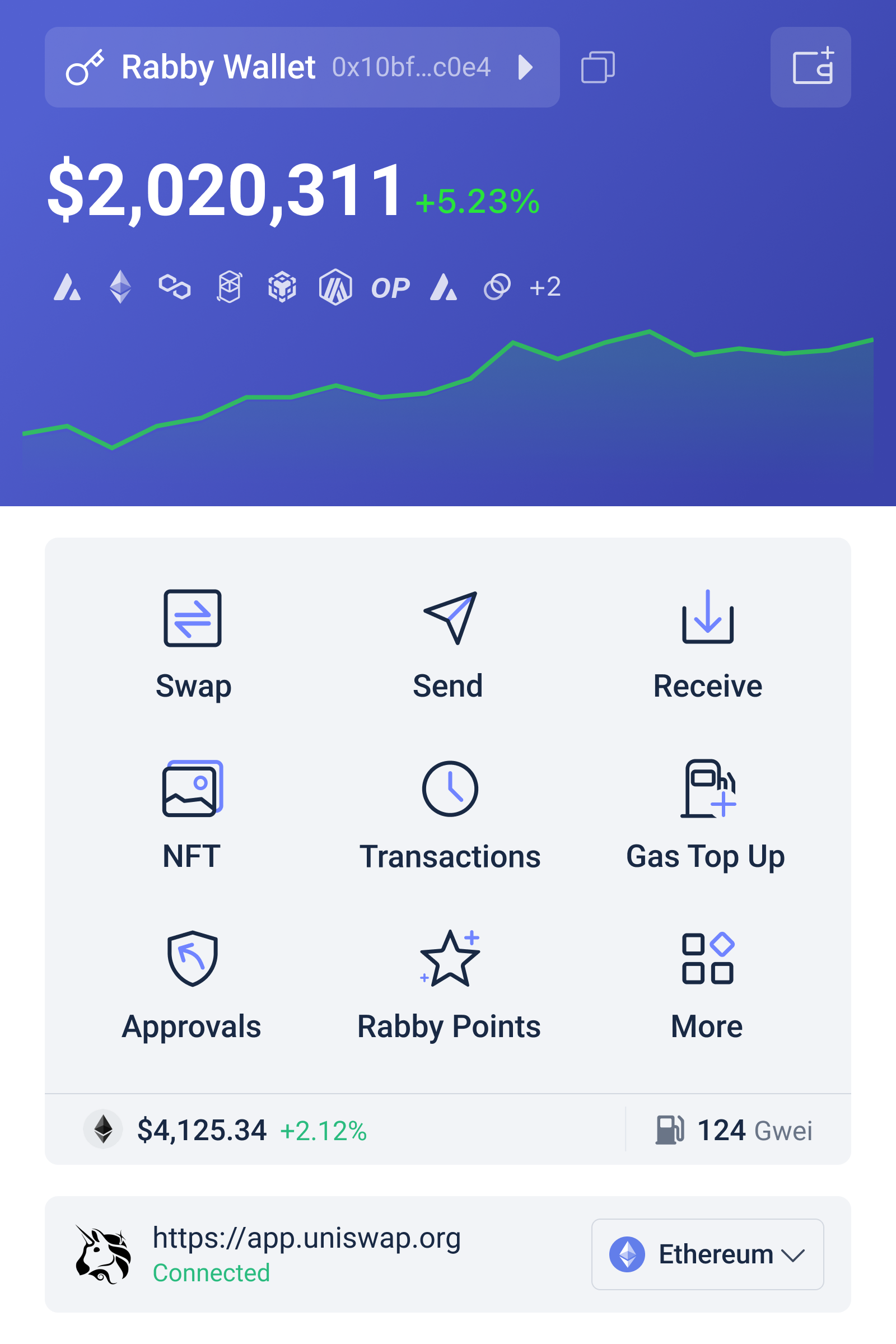
Here’s the thing. DeFi users trade across chains, jump in liquidity pools, and run yield strategies that are operationally messy. Hmm… the wallet should be the hub, not a passive key store. Rabby does something different. On its surface it’s a browser extension wallet. But underneath it layers transaction simulation, clearer gas and slippage visibility, portfolio views, and active anti-MEV defenses. I’m biased, but that shift from passive to proactive is huge.
What I actually like—and why it matters
First: portfolio tracking that doesn’t make you work. Wow! When I’m toggling between chains or seeing a token that silently depegs, I want to know exposure instantly. Rabby’s portfolio view aggregates balances and presents potential impermanent loss and token breakdowns without hunting for CSV exports or separate block explorers.
Second: transaction simulation before you sign. Seriously? This part changed my behavior. Instead of hitting “confirm” and hoping for the best, I run a quick simulation to preview token flows and contract calls. That preview highlights slippage paths, token routes across AMMs, and likely reverts. At times that simulation flagged edge cases I would have missed, like an approval being reused in an unexpected contract call.
Third: MEV protection that treats the user like someone who thinks about downside. Hmm… on one hand public mempool inclusion is fine, though actually it invites sandwich attacks and front-running bots. Rabby applies strategies like bundle submission (where supported) and better nonce management to reduce attack surface. I’m not saying it’s bulletproof—it isn’t—but it’s a step away from “hope the network treats you fairly.”
Let me be frank: the tech isn’t magic. Transaction simulation relies on trace information and good RPC providers, and MEV mitigation works best when you can submit private bundles or when relayers cooperate. Still, having these defenses built into the wallet removes a lot of human error: you don’t forget to check for a hidden slippage multiplier when things are moving fast.
On a practical level, this is what changed for me. I ran a complex swap with multiple hops. Wow! The raw gas estimate looked low at first glance. The simulation revealed a failing route due to a mid-route fee. I rewired the swap, tightened slippage, and resubmitted as a bundled transaction. The difference in realized outcome was stark. I’m not 100% sure all users will notice immediately, but traders who run multi-hop strategies will. Seriously, they will.
How portfolio tracking helps beyond numbers
Numbers tell a story, but sometimes they hide context. Mm, that may sound obvious, but most wallets just show balances. Rabby folds in transaction history, unrealized P&L, and token metadata in a way that makes on-chain positions feel like an actual portfolio. That matters when you need to decide which position to trim before a fork or liquidations risk ramps up.
Also, the UI nudges you to consider things you might otherwise forget—like revoking stale approvals and checking cross-chain token origins. These are small features that compound. Oh, and by the way, the revoke flow is quick, and it surfaces uncommon approvals that would otherwise sit hidden on a block scanner page somewhere.
One caveat: portfolio accuracy is only as good as the RPC endpoints and indexing. Initially I thought everything was perfectly synced; then I saw an occasional missing token on a less-used chain. Actually, wait—let me rephrase that—the wallet gives you the tools, but you still need good data feeds. So if you’re operating on niche L2s, expect occasional manual checks.
MEV protection—what it is, and what it isn’t
MEV is messy. Really messy. Bots watch mempools, detect profitable reorderings, and exploit traders when the timing is right. Rabby reduces exposure with private bundle submission and transaction re-ordering strategies where possible. It adds slippage and impact warnings, and it supports higher-fidelity gas strategies so you don’t accidentally underpay and get squeezed.
On one hand this helps a lot. Though actually—on the other hand—when the market’s hot and liquidity’s thin there’s no perfect shield. My instinct said “complete protection” would be impossible, and that turned out to be right. What I expected was reduced incidence, not elimination. Still, fewer sandwich attacks and fewer failed attempts mean less wasted gas and smoother returns.
Something else bugs me: we still trade in a system not designed for retail fairness, period. Wallet-level defenses are necessary, but broader ecosystem shifts are needed too—better relayer economics, more private RPCs, and layer-specific MEV research. Rabby is playing its part, but the larger fight continues.
Okay, quick practical tips. If you use an advanced wallet like Rabby, simulate high-impact transactions. Tighten slippage only when routes are stable. Revoke stale approvals frequently. Use private bundle submission when the network offers it. And diversify RPC endpoints if you care about portfolio visibility.
For people who like to tinker, Rabby’s dev options and transaction insights are a goldmine. You can inspect calldata, see exact contract calls, and reason about potential failure modes before you sign. I’m biased toward this approach—I’d rather know and avoid breakage than scramble a refund later. That said, it adds cognitive overhead; not everyone wants that. Balance matters.
FAQ
Does Rabby replace hardware wallets?
No, it doesn’t replace hardware security. It’s complementary. Use a hardware wallet for cold key storage and Rabby for UX, simulation, and MEV-aware transaction handling when you interact frequently.
Can simulation prevent all failed transactions?
Nope. Simulations reduce risk but depend on live state, gas, and oracle timeliness. They cut down surprises, but rapid on-chain changes can still cause failures.
Where can I try it?
Check it out directly at https://rabby-wallet.at/ and poke around the simulation and portfolio features. I’m not saying it’s perfect. But for active DeFi users, it’s worth evaluating.